This has been one of my favorite reads of the year. It’s entertaining, relevant, and easy to read with laugh out loud pithy statements on today’s hot topics. Yet it shows real world consequences with the events happening in our society today.
Lula Dean and Beverly Underwood have been rivals in Lula Dean’s mind since the high school cheerleading squad separated the girls. Living in Troy, Alabama, the women are now wives and mothers, with Beverly being the School Board President and Lula Dean living in her pink house with unrequited dreams of being a force in the community.
Pornography was found in the baking section of the local library. It didn’t matter that the book on erotic cake decorating had been slipped into the shelves by a 13 year old prankster, but with this Lula Dean has found her calling! The children of Troy are in peril! Getting together with a group of like minded citizens, Lula and her cohorts get right to work listing books that “no right minded Christian would allow the precious children of this god fearing community to read.” Finding the same list online was proof that they had picked the right ones.
The Concerned Parents Committee ransacked the high school, middle school, elementary and local libraries of these books. When the pictures of the confiscated books were shown on Facebook the question arose: What shall we do with these books? The answer came loud and clear–Burn them!
An emergency community meeting the next night saw Beverly deciding that the school board would look into the matter of the books. Until a decision of how to handle the situation was reached, the books were to be stored in Beverly’s basement.
The next morning an article about the books appears in the local paper with a picture of Lula standing next to a cabinet housing her library on her front lawn. Lula Dean’s Little Lending Library of wholesome books.
Beverly’s daughter, Lindsay, who is gay and just heading off to her first year of college, is terribly unhappy with the situation, feeling that her mother should have handled the whole thing better.
In the dark of night, the books in Lula’s library are switched from “wholesome” to banned with the bookcovers hiding the real titles. These books of literary classics, Black history, gay romance, Judy Blume novels and books of “witchy spells” replace Lula’s books of “The Southern Bell’s Guide to Ediquett”, “101 Cakes to Bake for your Family”, and “The Art of the Deal”.
This sets off unexpected and unsettling events with the inhabitants of the town as they access the lending library. Lindsay, by changing the books, has kicked over a rock that had been long undisturbed-–exposing unsavory creatures living below to crawl out from under. “Nazis, rapists, and murderers, not to mention hypocritics and opportunists”– crawl out and are exposed to the community.
A suicide of one the town’s most challenging inhabitants unearths a manifesto detailing a would be massacre on the of the people of Troy. A local Confederate general’s statue in front of the City Hall comes tumbling down as the descendants rebel against the false told tale of his honor and glory.
All comes to a satisfying ending for Lula Dean.
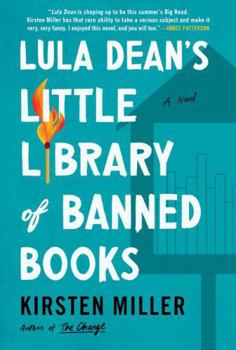
Our book club, as we like to do, discussed the cover enjoying the color, the little library of books with the lit match giving us thoughts of the novel “Fahrenheit 451.” We were very satisfied and delighted when the book cover was removed. Discover for yourself this intriguing and relevant book. It does not disappoint.
— Deb Krueger